Health & Safety
Bathroom Safety for Elderly Parents (2026): The Complete Room-by-Room Guide
Updated June 5, 2026. Plain-English technology education for families.
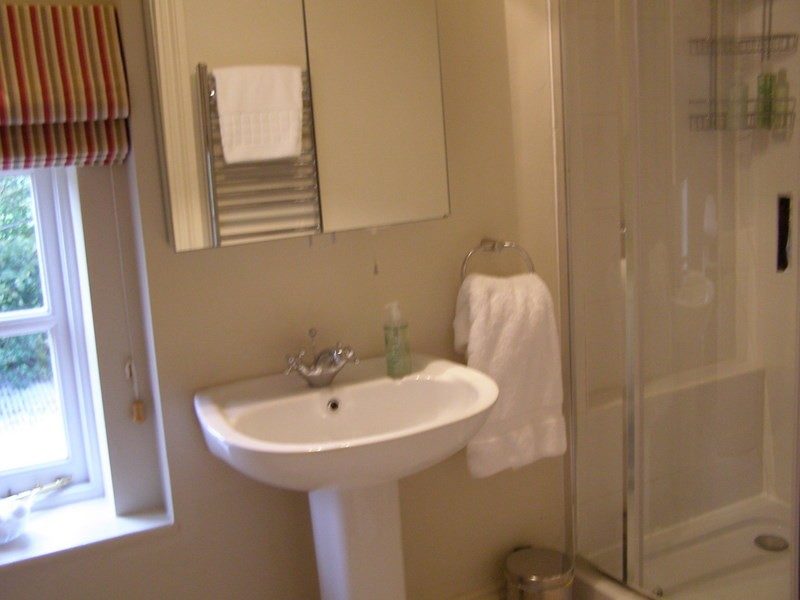
“I’ve been getting in and out of that tub for thirty-one years,” my aunt told me, arms crossed, “and I’m not about to start treating my own bathroom like a hospital.” I understood completely. Nobody wants their home to turn into a ward, and a grab bar on the wall can feel like a little surrender. I also knew the number I’d read that week and couldn’t un-know: the bathroom is the single most dangerous room in the house for an older adult, and the great majority of the injuries that send seniors to the emergency room from it are falls that the right $30 fixture would very likely have prevented.
So this guide tries to hold both truths at once. Yes, we are going to make the bathroom dramatically safer. No, we are not going to make it look or feel like a clinic. Done thoughtfully, most of these changes blend into a normal bathroom, and the payoff — for the parent who keeps their independence and the adult child who stops bracing for a phone call every time it rains — is worth a short, slightly awkward conversation.
We’ll go through it the way you’d actually walk the room: the floor, the toilet, the tub and shower, the lighting. Pick the pieces that fit your parent’s situation; you do not need all of them.
Why the bathroom, of all rooms
It is a small space that asks a lot of an aging body: hard tile and porcelain with no give, water that turns any surface slick, and a series of movements — lowering onto the toilet, stepping over a tub wall, standing up from a low seat with wet feet — that demand balance and strength right when those are fading. The CDC reports that falls are the leading cause of injury among older adults, and the bathroom concentrates the risk into a few square feet. The good news is the flip side of that: because the danger is concentrated, a handful of well-chosen fixes go a remarkably long way.
Grab bars for elderly parents — the single highest-value fix
If you do only one thing, do this. A grab bar gives your parent something solid to trust at exactly the two moments balance fails most: stepping into the shower and rising from the toilet. The difference between a hand landing on a towel rail (which is not built to hold weight and will tear out of the wall) and a hand landing on a properly mounted grab bar is, very often, the difference between a steadied wobble and a trip to the ER.
You have two honest choices. Drilled-in bars screwed into wall studs are the gold standard — they will hold an adult’s full weight and are what we’d fit if the bathroom is your parent’s long-term home. Suction-cup bars install in seconds with no tools and are genuinely useful for light balance support and for rentals or travel — but be straight with yourself and your parent: a suction bar is a balance aid, not a fall-arrest device, and it must never be trusted to catch a full fall. Buy the drilled bars for the shower and toilet; a suction bar can supplement, not replace, them.
For your parent’s peace of mind, mention that modern grab bars come in finishes that look like towel bars rather than hospital hardware — brushed nickel, even ones that double as a shelf or a toilet-paper holder. The “clinic” worry is mostly out of date.
Raised toilet seats for seniors — for the hardest small movement of the day
Standard toilets sit low, and lowering down to one — then pushing back up — is one of the most demanding moves an older body makes, over and over, every single day. For a parent with weak knees, hip trouble, or arthritis, a raised toilet seat closes much of that gap, lifting the seat several inches so there is far less distance to drop and far less effort to rise. Models with built-in armrests give them something to push against, which turns a strained, risky maneuver into a controlled one.
This is also one of the most quietly dignified upgrades on the list, because the alternative — needing a hand in the bathroom — is the kind of help most parents will go to great lengths to avoid asking for. A raised seat lets them keep that independence and privacy intact.
See raised toilet seats on Amazon →
Toilet safety rails and frames — if the seat alone isn’t enough
When your parent needs more than a raised seat can give, a toilet safety frame sets sturdy armrests on both sides of the toilet, free-standing or bolted on, so they can lower and lift themselves using both arms. It is the natural step up for someone whose legs no longer do the work alone, and it installs without remodeling anything.
See toilet safety frames on Amazon →
Shower chairs and transfer benches — let them sit to wash
Standing on a wet, slick surface for the length of a shower, often with eyes closed under the water, is exactly the scenario balance can’t survive. A shower chair removes the gamble: your parent sits to wash, steady and unhurried. For a tub that has to be climbed into, a transfer bench goes one better — it straddles the tub wall so they can sit down on the outside and slide across, never lifting a leg over the edge with one foot in the water.
Worth saying to a resistant parent: sitting to shower is not “giving up.” Plenty of people simply prefer it, and the energy they’re not spending on staying upright is energy left over for the rest of the day.
See shower chairs & benches on Amazon →
Non-slip bath mats and flooring — cheap, and it matters
A wet tub or shower floor is one of the slickest surfaces in the home. A good non-slip mat with strong suction inside the tub, plus an absorbent, rubber-backed mat on the floor where they step out, costs very little and removes one of the most common slip points entirely. Skip the pretty bath rug that slides on tile; choose the one that grips. It is the least glamorous item here and one of the most effective dollars you’ll spend.
See non-slip bath mats on Amazon →
A handheld shower head — the small change that makes sitting work
Once your parent is sitting on a shower chair, a fixed overhead shower head suddenly makes no sense. A handheld shower head on a long hose lets them direct the water while seated, rinse without standing or twisting, and it makes the whole shower calmer and safer. Most models swap onto the existing pipe in a couple of minutes with no plumber.
See handheld shower heads on Amazon →
Motion-sensor night lights — for the 2 a.m. trip
So many bathroom falls happen in the dark, on the half-asleep walk to the toilet in the middle of the night. A motion-sensor night light that glows softly the moment your parent’s feet hit the floor — in the hallway and again in the bathroom — removes the fumbling for a switch and lights the path automatically. They cost a few dollars each and run for months on a battery. If your parent has an Echo, a smart plug and a lamp can do the same job by voice; we cover that in our Alexa for seniors guide.
See motion-sensor night lights on Amazon →
The 60-second bathroom safety checklist
Walk your parent’s bathroom with this list. Every “no” is a small, fixable risk:
- Is there a sturdy, drilled-in grab bar at the shower entry and beside the toilet?
- Can they sit to shower on a stable chair or transfer bench?
- Is the toilet a comfortable height to rise from — or does it need a raised seat or frame?
- Are there non-slip mats inside the tub and on the floor where they step out?
- Is there a handheld shower head they can use sitting down?
- Does the path to the bathroom light up automatically at night?
- Are loose throw rugs, low shelves, and clutter cleared from the floor?
- Is the water heater set no higher than 120°F to prevent scald burns on thinning skin?
Want the printable version? We keep a one-page “Bathroom Safety Checklist for Elderly Parents” you can print and tape inside the cabinet door. Join our free caregiver list and we’ll send it over — it’s the kind of thing that’s easy to mean to do and never get to.
Does Medicare pay for any of this?
Mostly, and frustratingly, no — and it’s better to know that going in. Original Medicare generally treats grab bars, raised toilet seats, shower chairs, and similar bathroom-safety items as “convenience” or home-modification items rather than covered durable medical equipment, so they usually come out of pocket. The bright spots: some Medicare Advantage plans now include over-the-counter or home-safety benefits that can cover part of the cost, and a doctor’s documentation of medical need occasionally helps. It’s worth a call to your parent’s plan to ask specifically. The reassuring part is that the items here are inexpensive by design — the whole bathroom can usually be made far safer for less than the cost of one avoided ER visit.
Making the change without making it a fight
Back to my aunt. What finally worked wasn’t safety statistics — it was framing. We didn’t “childproof her bathroom”; we “made it easier on her knees.” We picked a brushed-nickel grab bar that genuinely looked like it belonged, and I installed it while she made coffee so it was simply done, not debated. Within a week she admitted, grudgingly, that getting out of the shower felt less like a small daily gamble. The lesson holds: lead with their independence, not your fear; choose pieces that look like normal fixtures; and wherever you can, do the work so they’re handed a finished, better bathroom rather than a project and a lecture.
Frequently asked questions
What is the most common bathroom accident for the elderly?
Falls — by a wide margin — most often while getting into or out of the tub or shower, or while lowering onto and rising from the toilet. Wet, hard surfaces combined with the balance and strength demands of those movements make them the highest-risk moments, which is why grab bars, a shower chair, and a raised toilet seat target exactly the right places.
Does Medicare cover grab bars or a shower chair?
Original Medicare usually does not — it generally classifies grab bars, raised toilet seats, and shower chairs as home-safety or convenience items rather than covered durable medical equipment. Some Medicare Advantage plans include home-safety or over-the-counter benefits that may help, so it’s worth calling your parent’s specific plan to ask. The items themselves are inexpensive.
Are suction grab bars safe for elderly people?
Use them with care. Suction-cup grab bars are fine as a light balance aid and for travel or rentals, but they can lose grip and must never be relied on to stop a real fall. For genuine safety at the shower entry and toilet, install bars that screw into the wall studs; let suction bars supplement those, not replace them.
What’s the most important bathroom safety item to buy first?
A properly mounted grab bar at the shower entrance, with a raised toilet seat a close second. Those two address the two highest-risk movements — entering the shower and getting up from the toilet — and together they prevent a large share of bathroom falls for a very small cost.
How do I convince a resistant parent to accept bathroom changes?
Frame it around keeping their independence rather than around risk, choose fixtures that look like normal hardware instead of hospital equipment, and where possible just do the installation so they’re handed a finished result. Most resistance is about dignity and the fear of “becoming old,” not about the device itself — speak to that and the rest tends to follow.
What temperature should the water heater be set to for an elderly person?
No higher than 120°F (about 49°C). Older skin is thinner and burns faster, and reaction times are slower, so a lower maximum reduces the risk of scald injuries while still being plenty warm for a comfortable shower.
Read next
- AI Fall Detection for Seniors: Apple Watch vs Medical Alert
- Alexa for Seniors: Simple Setup + Which Echo to Buy
- GPS Trackers for Elderly Parents & Dementia Wandering
Disclosure: TechForYears participates in the Amazon Associates Program and may earn commissions from qualifying purchases made through links on this page, at no additional cost to you. Prices and availability are accurate as of publication and may change. This article is informational and is not medical advice; consult your parent’s care team about fall-prevention planning. Hero photo by Yew Tree House, licensed under CC BY 2.0.